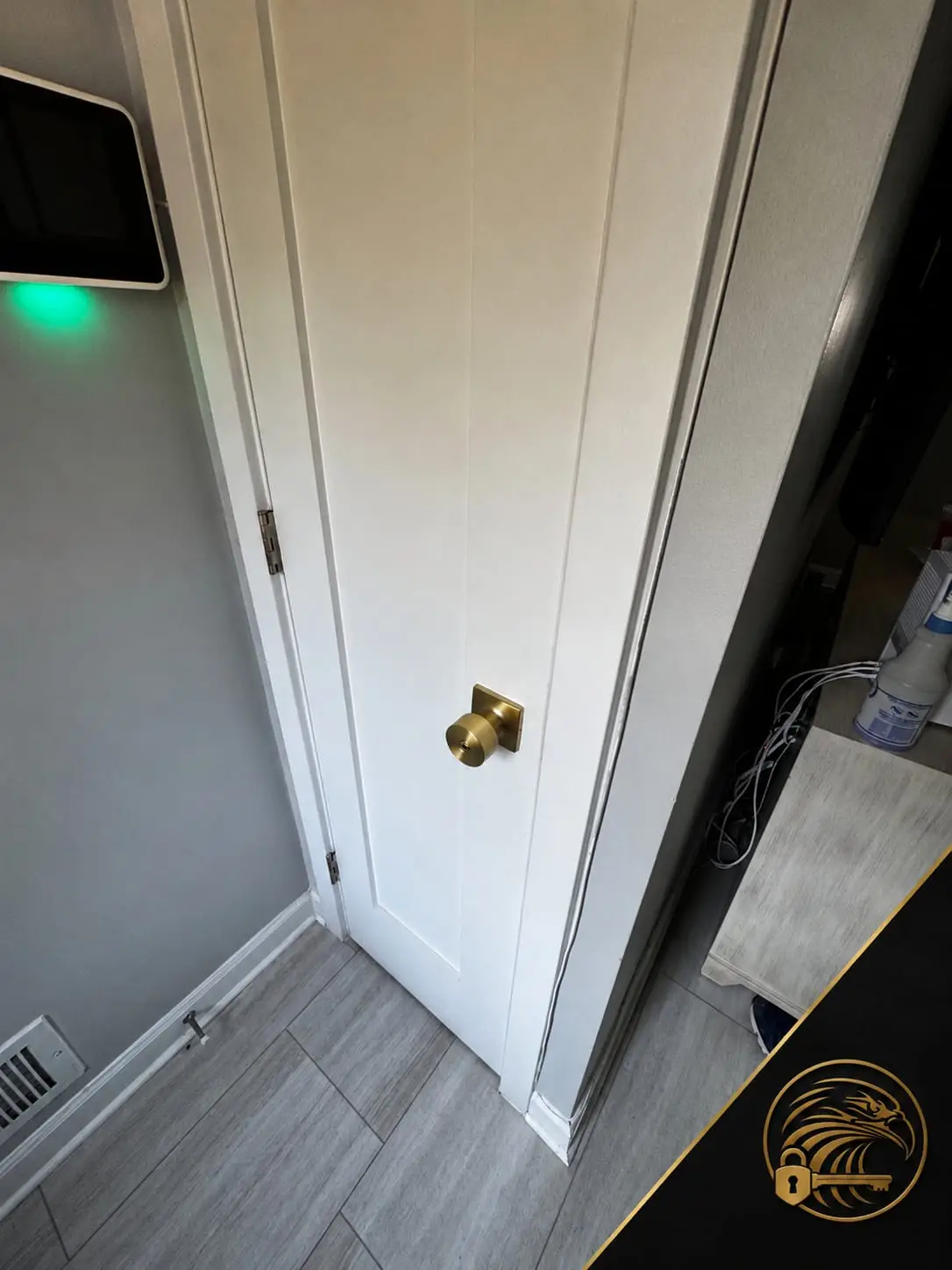
Moving generates a hundred projects, and the lock on the front door rarely makes the first page of the list. It should be first — before the first night, ideally — because it is the only project on the list whose risk you cannot see, count, or control until it is done.
The uncomfortable arithmetic of existing keys
Your new home's keys have a history. The sellers had copies. Their children, parents, pet sitters, cleaners, contractors and neighbors may have copies. If the home was rented before it was sold, add every tenant and everyone those tenants ever handed a key to. Standard keys are duplicated in minutes at any kiosk, with no record kept and no questions asked, so there is no way to audit this — the total number of working keys to your front door is simply unknown. Rekeying or replacing the locks resets that number to the keys in your hand. It is among the cheapest services a locksmith offers, and it is the only way to make "who can enter my home" a question with an answer.
Which doors count (it is more than the front)
Walk the perimeter and count honestly: front door, back door, side doors, the door from the garage into the house — an exterior door in every way that matters, and the one most often forgotten — plus sliding patio doors, gates with keyed locks, and any door from a porch or mudroom. Every one of them should end the week keyed to your new key (or deliberately keyed apart, if you prefer the garage on its own). Our residential team does this as a single visit, typically inside an hour for rekeying.
Rekey or replace, one more time
If the inherited locks are quality hardware that works smoothly, rekeying is the smart spend — the old keys die and the hardware stays. If they are worn, cheap, mismatched, or you have always wanted a keypad on the front door, moving week is the cheapest moment to replace, while everything is already in flux. The full comparison lives in our rekey vs. change locks guide. Either way, ask about keying all exterior doors alike — one key for the whole house is a daily convenience you will feel for years.
The 30-minute audit to do the same week
With the keys reset, look at what the keys protect. Check each exterior door's strike plate — if the screws are short, upgrade to three-inch screws into the stud, the highest-value ten minutes in home security. Test that every deadbolt throws fully and the door does not need lifting or pulling to lock. Check ground-floor window locks, the sliding door's latch, and whether the garage door's emergency release is reachable with a coat hanger through the top panel gap (a known trick with a known fix). Note anything that sticks, sags or resists for your locksmith's list — the signs in our article on worn locks tell you which items are urgent.
Set up the next ten years while you are at it
Decide where the spare lives (with a trusted person, or nowhere because you chose a keypad). Label one photo of each lock and key type in your phone for the day you need service. If cleaners, sitters or family will need regular access, plan it now — scheduled codes beat copied keys from day one. Moving is chaos, but locks are the rare project that is fast, inexpensive, and finished forever once it is done. Put it first; sleep better the very first night.
Do not forget the other keys to your home
Locks are not the only access credentials a house changes hands with. The garage door opener's remotes should be cleared from the opener's memory and re-paired — a five-minute job that sellers almost never do and buyers almost never think of. Alarm system codes, smart lock codes, gate codes and the community mailbox key all transfer just as informally as the front-door key did; change the ones you can and get the mailbox rekeyed at the post office counter if the key situation is vague. If the home has a safe, change its combination as well, and if it has a keypad front door, the master code from the previous owner is a standing invitation until you reset it. A house is only rekeyed when all of its credentials are — the metal key is simply the most obvious one.